

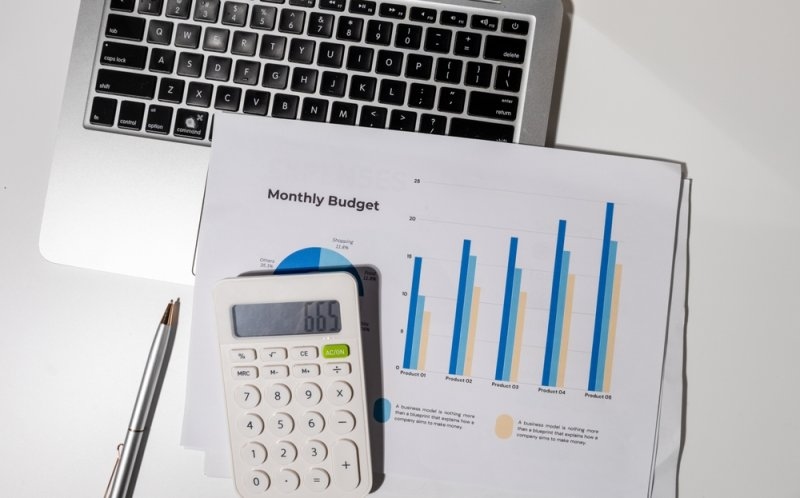
Most money stress comes down to one thing: not knowing where your pay cheque actually went by the fifteenth. A monthly budget fixes that by showing exactly what's coming in against what's going out. It takes the guesswork out of spending and gives you something to actually check yourself against. Whether you're starting from zero or trying to fix a budget that's fallen apart twice already, here's a plan that holds up.
A monthly budget plan is just a running record of what you earn and spend over thirty days. It groups your money into buckets like housing, food, transportation, savings, and whatever debt you're chipping away at. Once that's written down, you stop guessing and start knowing whether you're actually staying afloat.
Figuring out how to create a monthly budget step by step keeps the whole thing from feeling like a mountain. Break it into small pieces you can repeat every month instead of trying to overhaul your entire financial life in one weekend.
Start with your actual take-home pay after taxes come out, not your salary on paper. If your income shifts month to month, average out the last three months to get a realistic number. Skipping this step means budgeting off money that was never really there.
Write out every monthly expense you can think of, including rent, utilities, groceries, subscriptions, and insurance premiums. Scroll back through your bank and card statements so nothing sneaky, like an annual fee, slips past you. This is usually where people realise where their pay cheque was quietly disappearing.
Pick a budgeting plan that actually fits how you live, whether that's the 50/30/20 rule or a stricter zero-based approach. A good plan feels workable, not like a punishment, so you'll still be using it in six months. Give one method a full month before deciding it's not for you.
If you've never budgeted before, keep your first attempt loose instead of chasing perfection right away. Track your spending for a couple of weeks before locking in hard numbers for each category.
Related Read: Relaunch Your Finances With Simple Steps That Actually Work
Planning your monthly expenses and savings side by side stops savings from becoming an afterthought. Treat your savings transfer like a bill that has to get paid, not whatever happens to be left. That one shift is usually what finally gets an emergency fund off the ground.
Numbers make this a lot easier to picture, so here's what a personal monthly budget might actually look like.
| Category | Monthly Amount | Percent of Income |
| Housing and Utilities | $1,500 | 35% |
| Food and Groceries | $500 | 12% |
| Transportation | $350 | 8% |
| Savings and Emergency Fund | $600 | 14% |
| Debt Payments | $400 | 9% |
| Personal and Miscellaneous | $500 | 12% |
Use this as a starting point, then adjust the percentages to match your own income and fixed bills.
Building a monthly budget on a low income comes down to covering needs first without cutting out life completely. Start with housing, food, and utilities, then send whatever's left toward a small savings goal. Dropping even one or two forgotten subscriptions can free up more cash than you'd expect.
Sticking to a monthly budget is honestly the harder part – way harder than building it in the first place. Setting bills and savings to move automatically takes away the chance to talk yourself out of it.
Related Read: What Is Revenge Saving and How Does It Boost Financial Growth
A monthly spending plan keeps your bills on time, which keeps late fees and credit score damage off your plate. It also gives you something to fall back on when a car repair or medical bill shows up unannounced. Checking in on it regularly lets your plan grow alongside your income and your goals.
A monthly budget isn't really about cutting yourself off from everything you enjoy; it's about knowing where you stand. Once you've got your income calculated, your expenses listed, and a plan you're willing to stick with, the rest gets easier. Revisit it every month, tweak what isn't working, and let it quietly do its job.
Honestly, building a rough draft takes about an hour once your income and expenses are in front of you. But if you're hoping it'll actually reflect how you spend in real life, give it two or three months of small tweaks before it feels right.
Most beginners do well with the 50/30/20 rule since it keeps things simple: needs, wants, and savings, without demanding you log every coffee run. It's forgiving enough to stick with, which honestly matters more than picking the "perfect" method on day one.
It really can. Once you see your numbers laid out, you'll usually spot extra cash you didn't know you had. Even putting an extra fifty or hundred dollars toward debt every month adds up fast and knocks down interest a lot quicker than you'd think.
Yes, and it shouldn't be an afterthought either. Give savings its own line item, even if it's just twenty-five dollars to start. Treating it like a non-negotiable bill instead of leftover change is usually what makes it actually stick long-term.
Once a month is the sweet spot, ideally right after payday when everything's fresh. That said, don't be afraid to peek at it mid-month too. Life changes fast, and catching an overspend early beats discovering it after your account's already run dry.
This content was created by AI